There's something about this time of year that always excites me. I don't know if it's the potential that seems to blossom in the Spring, or the green buds peeking through the ground. Whatever it is I get pumped when I can dig my hands in the dirt, and start planting!
Creating your own organic garden can be a fun weekend project that takes little more than some elbow grease and a plan. Whether you are looking to put in a large plot or want to start out small, organic gardening can be as easy as pie...maybe even sweet potato!
So what is an organic garden? Well, its one that's cultivated without the use of fertilizers or herbicides to promote the growth of fruits and vegetables. Instead sunlight, organic soil, seeds and water can turn your backyard, or apartment balcony into an organic haven. From Organic Gardening:
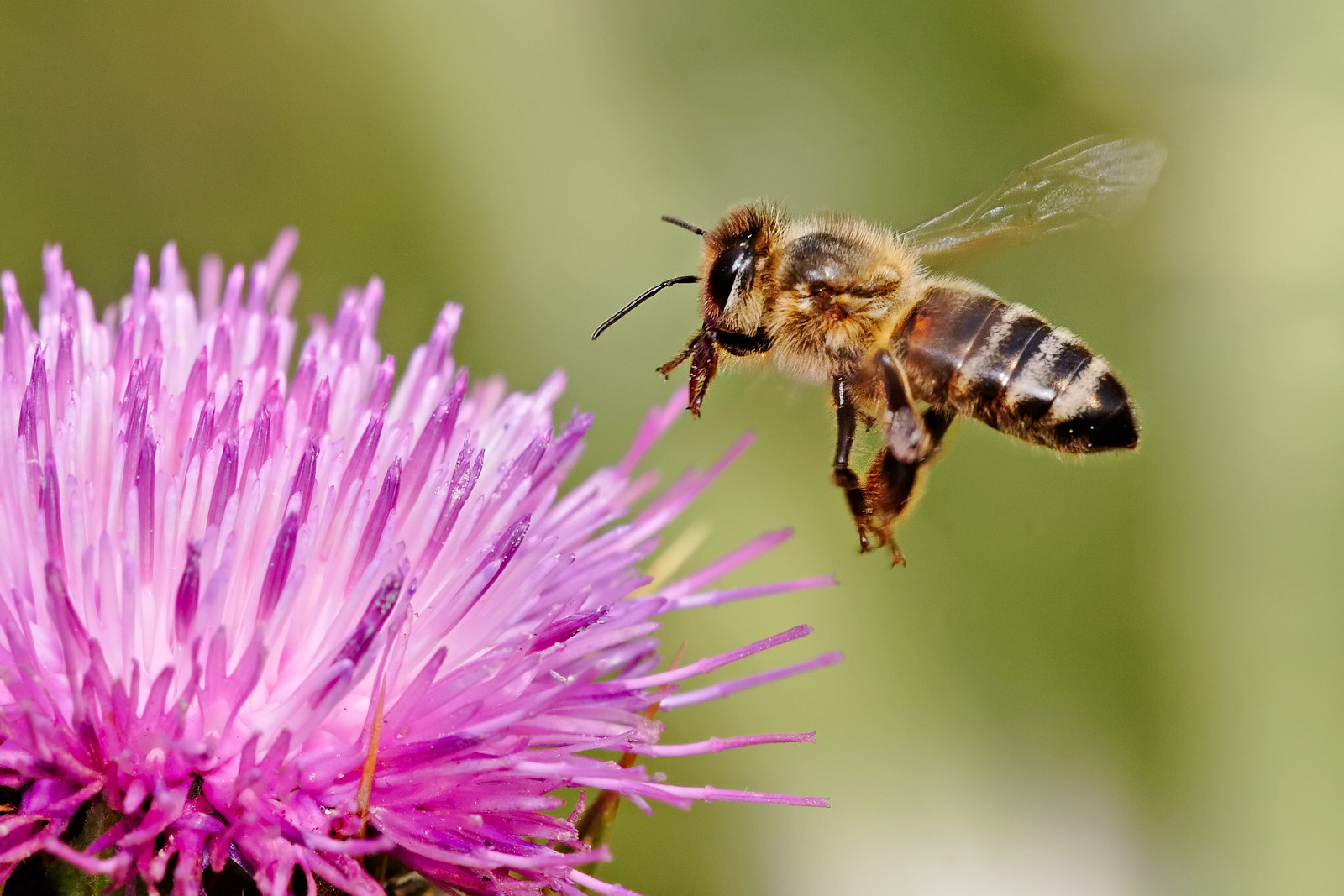
When you garden organically, you think of your plants as part of a whole system within nature that starts in the soil and includes the water supply, people, wildlife and even insects.
Step 1: Prepare the Soil
Gardening soil isn't just dirt. In order to ensure your plants get all they need to flourish, you must first start with a nutrient rich base. If you need help determining the quality of your soil you can have it tested by your local agricultural office. Be sure to tell them you are planting an organic garden so they can provide the best mix of ingredients to start you off. The best time to test is in the fall, whatever you add in will have time to enrich the soil over the winter, and make for a beautiful harvest.
Step 2: Compost
You'll need to make sure you have a good mixture of organic matter like leaves or grass clippings which can be acquired right from your backyard. Decayed plants, vegetable scrapes from your kitchen and egg shells can provide a good start to your composting bin. Mushroom dirt is also a rich addition to your soil by improving drainage of clay dirt and increasing microbial activity. Stay tuned for our upcoming article on Composting 101.
Step 3: Choose the Right Plants
Picking the right planets for your geographic climate is an important step in planning your garden. While grapes may run wild in the North West, you'll find they are much harder to develop in colder North Eastern states. Choose vegetation that is well suited for the amount of light, moisture, and soil quality your garden will receive. Look for seeds or plants from your local farmers market that were raised without chemical fertilizers, and if possible were not genetically modified. Real food = Real Health.
Step 4: Give Your Crops Space
Plants you are harvesting should be grouped together in raised beds that can protect them from foot traffic. Grouping also reduces weeding and water waste. But be aware of the amount of space each plant will need to avoid over crowding and casting too many shadows.
Step 5: Water, Water, Water...but not too much
The best time to water your garden is in the morning when it is still cool, this leads to less evaporation and water consumption. If you water at night the plants may stay too damp and cause fungus growth. Always water the roots to avoid damaging leaves and flowers. Experts recommend substantial infrequent watering---about 1 inch of water per week.
Step 6: Weeding
Probably the least fun step of gardening is getting rid of those pesky plants that steal nutrients, water and sunlight from you beautiful food. But, no matter how time consuming, weeding is a necessary step to promote the full growth of your garden. As you are on your knees just think of all the fresh air and Vitamin D you'll be getting!
Step 7: Protect Your Plants
Whether its deer, ground hogs, or caterpillars, nature’s creatures always seem to find a way to nibble on or even eviscerate lovely gardens. Besides fences, netting, and Marigolds to ward off larger animals, there are some chemical-free ways to keep crawling critters at bay. The Daily Green suggests:
Organic weapons include Bacillus thuringiensis, a naturally occurring bacteria that disrupts the digestion of caterpillars and other leaf-eaters. You can also use horticultural oils, insecticidal soaps and garlic and/or hot pepper sprays.Step 8: Harvesting
You’ve tilled, planted, watered, and weeded, so now its time to reap the rewards! Your organic fresh fruits and veggies can make mealtime a fun event. Have your kids pick from the garden right before preparing dinner---they'll make the connection that real food can be delicious. Share your harvest by giving a gift basket to family or neighbors. If you have an overabundant crop you can always freeze or can any leftovers until its time for next years batch.
However it's used, your organic garden can be a healthy and delectable labor of love.
Have you started your garden yet? Share your tips in the comments section.