"If the bee disappears from the surface of the earth, man would have no more than four years to live." ~ Albert Einstein

Last week I had the pleasure of going on a field trip with my son and his kindergarten class to a local farm. Our mission...learn about bees!
As someone who has gotten stung numerous times by those little buzzing creatures, I was not SUPER thrilled about this adventure. For something so small, they can cause a lot of pain, especially if you are allergic to them. But, one of the perks of working from home is the flexibility I have to do these events with my kid...so I braved the cold (and my fears of being stung) and made my way to the farm.
I had heard over the years the importance of honey bees to our food supply, and how pesticides were threatening their survival, but I had never been properly schooled on how important they actually are.
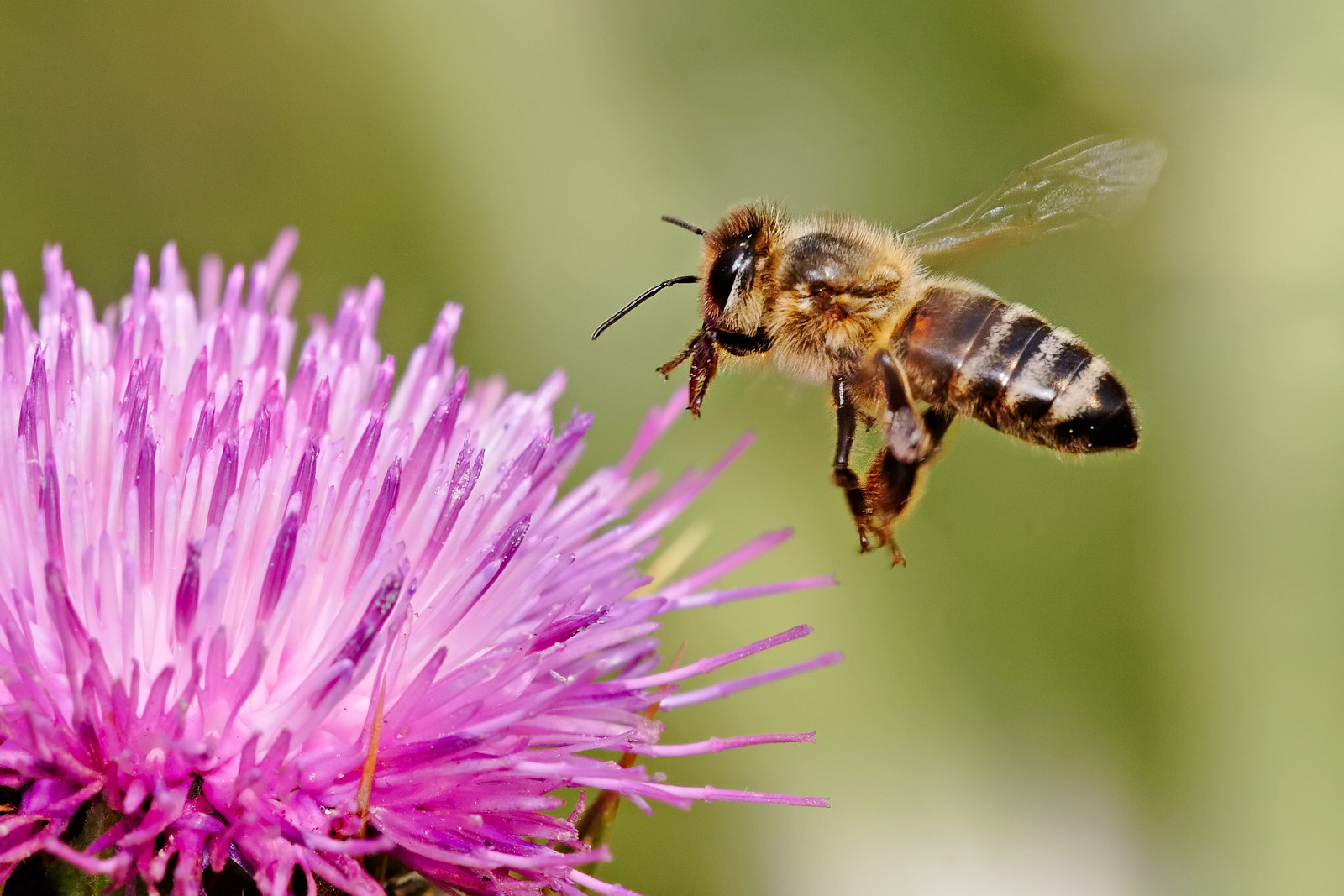
Did you know.....
- The honey bee has been around for over 30 million years
- It is the only insect to produce a food that people eat
- Honey will NEVER spoil
- Honey is also the only food that includes all the substances necessary to sustain life, including enzymes, vitamins, minerals, and water; and it's the only food that contains "pinocembrin", and antioxidants associated with improved brain functioning.
- During a collection trip bees visit 50-100 flowers and store the pollen in their leg sacks
- The average honey bee will only make a 1/12 of a teaspoon of honey in its lifetime
- Honey bees contribute over $14 billion to the value of U.S. crop production.
- Around the world bees are dying from over use of chemical pesticides, herbicides, electromagnetic radiation, loss of habitat and genetically modified crops that may contain pollen that is not nutritionally valuable.
- Bees are responsible for pollinating:
Not impressed? HERE's the full list.
I had no idea that bee's were SUCH an important part of our ecosystem and how much they contribute to our health! With this new information I wanted to find out how we all can help save the bee population so we don't lose the precious crops we need to survive.
1. GO WILD!!
Although protecting your home garden from pests and insects is important, also having a space that is animal friendly will help bee's to establish a hive. So let some of your plants run wild, and in turn those busy bees will help pollinate your food.
2. Put Away the Chemicals
We know that modern insecticides are deadly to bees, and are responsible for Colony Collapse Disorder. It will be better for their health, and yours, if we all just stop spraying this stuff.
3. Avoid Modified Seeds
Many farmers now buy seeds coated with clothianidin and other systemic insecticides. These can cause the entire plant to become toxic to bees and other insects.
4. Buy Organic
Besides the numerous health benefits, tradionally organic farmers will also use natural farming methods that are bee-friendly.5. Support Local Honey Farms
Industrial sized bee operations are more concerned with the input, rather than the output. You can find local honey at farmers markets and groceries stores. You'll be putting money back into your community while helping to maintain your local bee population.The survival of bees is undeniably connected to our own survival. Help protect real food by protecting bees.
Did you know the importance of honey bees?
Embracing the 'Buzz' in Granolaville,