Showing posts with label healthy body. Show all posts

6 Foods For Glowing Skin


Whether you're slathering them on your skin or including them in a fresh meal, these 6 foods will have lasting health benefits for your body.

Avocados

Eat em': These buttery fruits are leading the pack of superfoods. With their richness in antioxidants and essential fatty acids they will keep your skin supple and be great source of healthy fats. Spread on a sandwich or diced into a salad they are a delicious addition to many meals.

Wear em': Pureed avocado used as a face mask is said to increase collagen production and skin elasticity. They are also a great source of potassium, which is known as the "youth mineral".

Tea

Drink it: Tea has been an herbal remedy for thousands of years. More recently its antioxidant properties have been show to help with cancer, heart disease, and diabetes; encourage weight loss; lower cholesterol; and bring about mental alertness. 

Apply it: Wanna bring out the natural highlights in your hair? Brewed teas like Chamomile and black tea can be used to amp up your locks. Just saturate your hair with 8 ounces of cooled tea, place shower cap over head, wait 15-20 minutes and rinse.

Almonds
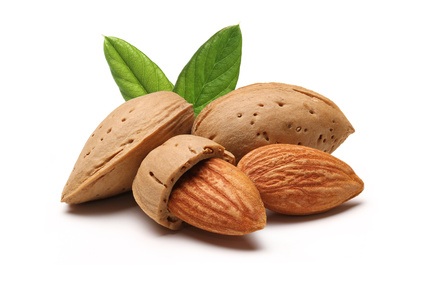
Eat em' or Drink em': Rich in vitamin E, calcium, phosphorous, iron and magnesium, they are the most nutrient dense of all the nuts. The tryptophan in them can aid in relaxation before bed and almond milk is a great alternative to cow's milk (my kids love it).

Apply it: To make an invigorating body scrub, grind 1/2 cup almonds in a food processor until fine, combine with 2 tablespoons organic virgin olive oil and mix into a paste. In the shower rub on any rough spots like your feet or elbows and rinse for super smooth skin.

Cocoa


Eat it: Cocoa is made by fermenting and drying the seeds of the cacoa tree. They have a high concentration of flavanols, plant compounds with antioxidant properties (more than tea and red wine) that help protect skin from sun damage and improve blood pressure for coronary artery disease patients.

Apply it:  The flavanols help protect the skin from damaging free radicals from the sun. Get all over protection by adding 1/8 cup unsweetened cocoa powder to your bath water. 

Yogurt
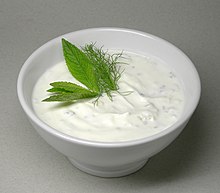
Eat it: Consuming this creamy goodness can actually help brighten your smile. The calcium and phosphorus strengthens tooth enamel and prevent cavities. Non-fat organic yogurts are also high in protein, which is essential for collagen production in your skin. Yogurt also contains lactobacteria, intestines-friendly bacterial cultures that foster a healthy colon, and even lower the risk of colon cancer.

Wear it: Yogurt contains lactic acid, an alpha hydroxy that's great for sloughing away dead skin cells and unclogging pores. A simple plain yogurt facial applied two or three times a week will leave you with soft, supple skin—and save you a load of cash on beauty products.

Strawberries

Eat em': These red berries pack a powerful punch! The have over 100% of the daily recommended dose of Vitamin C, which helps boost your immunity. Their anti-inflammatory properties can fight against many inflammatory disorders, such as osteoarthritis and asthma. Strawberries are also very high in fiber, which can help maintain regular digestion. Just make sure to buy organic as the non-organic ones are on the dirty dozen list.

Apply em': In addition to being a yummy snack when covered in chocolate they also help clear up acne and oiliness, make skin younger and smoother, whiten teeth, reduce under-eye puffiness, leave hair glossy and beautifully conditioned, and so much more!

What's your favorite "double duty" food?

Nourishing my skin in Granolaville,


If you want to GLOW during your pregnancy and beyond, check out my doula services over at Soulfueledmama.com

If you liked this post, please share it, subscribe to my YouTube channel, and sign up for our weekly newsletter!



Get the Top 5 Toxic Foods in Your Kitchen Mini E-Book, FREE!
* indicates required

DIY Natural Sunscreen


You might be looking at my cartoonishly dorky logo and notice that yes indeed...I am Black. This comes as quite a surprise to many people, especially when they speak to me on the phone (what is a "Black" voice anyway?)

But I digress.

Growing up, because of my cocoa-brown complexion, I was under the impression that getting sunburned was not possible. Red skin, painful to the touch, only plagued my fair-skinned friends, not me. Apparently my crispy black shoulders, from two weeks at summer camp, didn't get that memo. 

Protecting your skin from the sun's UV rays is important, no matter what skin tone or ethnicity you are. Once I began using sunscreen---the highest SPF I could find---I thought my skin was shielded from any possible damage.

I've come to learn that most popular brands of sunscreen can actually cause more harm than good. While they do stop skin from becoming burnt, they do little to nothing to slow down the accelerated aging of skin or prevent cancer causing cells.

In addition, there is even research pointing to an increase in cancer when sunlight hits the synthetic or natural components of sunblock, causing cell mutation. Allergies, hormone disruption, and cell damage are also found with the use of sun screens, especially those containing Oxybenzone, which is a chemical that allows other chemicals to penetrate the skin and is in nearly 600 sunscreens sold in the US (even those varieties marked safe for children).

Here is a list of chemicals to check for:

Aminobenzoic acid – carcinogen implicated in cardiovascular disease.
Avobenzone – carcinogen
Cinoxate – evidence of skin toxicity
Dioxybenzone – strong evidence of skin toxicity and carcinogen; hormone disruptor and has been found in waterways, soil and air. Has been shown to have a “gender bender” effect in animals
Diazolidinyl urea – carcinogen, endocrine, central nervous system and brain effects, skin toxicity and compromises the immune system
Ecamsule – carcinogenic
Homosalate – endocrine disruption
Methylparaben – interferes with genes
Octocrylene – found to be persistent and bioaccumulative in wildlife, liver issues and carcinogenic
Octyl methoxycinnamate – accumulates in the body, disrupts liver and is a carcinogen
Octyl salicylate – broad systemic effects in animals at moderate doses
Oxybenzone – carcinogen and contributor to vascular disease, may affect the brain and nervous system in animals
Padimate O – carcinogen
Phenylbenzimidazole – carcinogen
Phenoxyethanol – irritant, carcinogen, endocrine disruption
Sulisobenzone – strong evidence of skin toxicity, affects sense organs in animals
Titanium dioxide – carcinogen when in nanomaterial form
Parabens (butyl-, ethyl-, methyl-, and propyl-): Parabens may mimic estrogen which can disrupt your body's balance of hormones

So, how do you protect your skin from the sun without slathering on a cocktail of toxins? Well first thing is don't be afraid of the sun, just be smart. The benefits of sun rays, which is the only natural way to deliver Vitamin D to our body, are becoming more and more clear. Vitamin D deficiency is a huge issue for many Americans because of the indoor lifestyle many of us have adopted. It has been linked to a variety of issues including, breast cancer, gestational diabetes and preeclampsia.

Don't hide from the sun, just don't bake yourself like an oven-stuffer roaster.

When you are exposed normal amounts of sunlight make sure to wear loose fitting clothes, find shade whenever possible, and invest in a good hat. Foods high in Lycopene, like tomatoes have been shown to prevent sun damage, as well as animals who eat algae--- which are high in the antioxidant astaxanthin.

For those days on a beach or boat, when you know you'll be getting more sun than usual, you can make your own natural sunblock from items you can find at any health food store. Here's a great simplified version of a recipe I'm eager to try from Frugally Sustainable:

Ingredients

-1 ounce oil blend (Sesame oil, Coconut Oil, Hemp oil, Avocado oil, Soybean, or Peanut Oil)
-1 ounce beeswax (adds waterproof properties)
-1 ounce butter blend (i.e. Shea butter, mango butter, or cocoa butter)
-1 teaspoon vitamin E oil
-0.36 ounces zinc oxide powder ( you can find it in the diaper aisle of your grocery store)
-30 drops essential oils, optional just make sure not to use anything with citrus, as it could cause burns

1. Gather ingredients and kitchen tools.
2. In a double boiler, over low heat, melt the oils, beeswax, and butters.
3. Remove from heat and allow to cool slightly prior to adding the vitamin E oil, zinc oxide powder, and essential oils. Note: Wear a mask when working with zinc oxide, inhaling it can be dangerous.
4. Stir until zinc oxide is dissolved. 
5. Pour into a push-up or roll-up dispenser. This recipe will produce a product similar to a lotion bar or sunscreen stick. You could easily clean out and re-purpose a used deodorant or lip balm container. 
6. Allow to cool and harden on the counter overnight.

If this is too time consuming for your liking, virgin coconut oil has been shown to block the burning radiation from the sun. Try oiling up with that the next time you hit the beach. 

If you aren't into being a cosmetic chemist, you can also find the The Environmental Working Group's 2013 list of the best sunscreens available on the market.

Do you use sunblock on your self or your kids? Have you tried making natural sunblock?

Soaking it up in Granolaville,


Liked this post? Get more plus recipes, tips, and inspiration in our weekly newsletter.

Plus the Top 5 Toxic Foods in Your Kitchen Mini E-Book, FREE!
* indicates required

Planning a natural birth and need more info? I can help! Check out Soulfueled Mama for more info!


8 Steps to Growing An Organic Garden


There's something about this time of year that always excites me. I don't know if it's the potential that seems to blossom in the Spring, or the green buds peeking through the ground. Whatever it is I get pumped when I can dig my hands in the dirt, and start planting!

Creating your own organic garden can be a fun weekend project that takes little more than some elbow grease and a plan. Whether you are looking to put in a large plot or want to start out small, organic gardening can be as easy as pie...maybe even sweet potato!

So what is an organic garden? Well, its one that's cultivated without the use of fertilizers or herbicides to promote the growth of fruits and vegetables. Instead sunlight, organic soil, seeds and water can turn your backyard, or apartment balcony into an organic haven. From Organic Gardening:
When you garden organically, you think of your plants as part of a whole system within nature that starts in the soil and includes the water supply, people, wildlife and even insects.

Step 1: Prepare the Soil
Gardening soil isn't just dirt. In order to ensure your plants get all they need to flourish, you must first start with a nutrient rich base. If you need help determining the quality of your soil you can have it tested by your local agricultural office. Be sure to tell them you are planting an organic garden so they can provide the best mix of ingredients to start you off. The best time to test is in the fall, whatever you add in will have time to enrich the soil over the winter, and make for a beautiful harvest.

Step 2: Compost
You'll need to make sure you have a good mixture of organic matter like leaves or grass clippings which can be acquired right from your backyard. Decayed plants, vegetable scrapes from your kitchen and egg shells can provide a good start to your composting bin. Mushroom dirt is also a rich addition to your soil by improving drainage of clay dirt and increasing microbial activity. Stay tuned for our upcoming article on Composting 101.

Step 3: Choose the Right Plants
Picking the right planets for your geographic climate is an important step in planning your garden. While grapes may run wild in the North West, you'll find they are much harder to develop in colder North Eastern states. Choose vegetation that is well suited for the amount of light, moisture, and soil quality your garden will receive. Look for seeds or plants from your local farmers market that were raised without chemical fertilizers, and if possible were not genetically modified. Real food = Real Health.

Step 4: Give Your Crops Space
Plants you are harvesting should be grouped together in raised beds that can protect them from foot traffic. Grouping also reduces weeding and water waste. But be aware of the amount of space each plant will need to avoid over crowding and casting too many shadows.

Step 5: Water, Water, Water...but not too much
The best time to water your garden is in the morning when it is still cool, this leads to less evaporation and water consumption. If you water at night the plants may stay too damp and cause fungus growth. Always water the roots to avoid damaging leaves and flowers. Experts recommend substantial infrequent watering---about 1 inch of water per week.

Step 6: Weeding
Probably the least fun step of gardening is getting rid of those pesky plants that steal nutrients, water and sunlight from you beautiful food. But, no matter how time consuming, weeding is a necessary step to promote the full growth of your garden. As you are on your knees just think of all the fresh air and Vitamin D you'll be getting!

Step 7: Protect Your Plants
Whether its deer, ground hogs, or caterpillars, nature’s creatures always seem to find a way to nibble on or even eviscerate lovely gardens. Besides fences, netting, and Marigolds to ward off larger animals, there are some chemical-free ways to keep crawling critters at bay. The Daily Green suggests:
Organic weapons include Bacillus thuringiensis, a naturally occurring bacteria that disrupts the digestion of caterpillars and other leaf-eaters. You can also use horticultural oils, insecticidal soaps and garlic and/or hot pepper sprays.
Step 8: Harvesting
You’ve tilled, planted, watered, and weeded, so now its time to reap the rewards! Your organic fresh fruits and veggies can make mealtime a fun event. Have your kids pick from the garden right before preparing dinner---they'll make the connection that real food can be delicious. Share your harvest by giving a gift basket to family or neighbors. If you have an overabundant crop you can always freeze or can any leftovers until its time for next years batch.

However it's used, your organic garden can be a healthy and delectable labor of love.

Have you started your garden yet? Share your tips in the comments section.


Happy Spring from Granolaville,


6 Ways to Naturally Reduce Your Kid's Fever, FAST!


I don't know anything that makes my heart sink more than seeing my kid sick. Especially when that kid is usually a vibrant ball of energy, bouncing off walls, standing on his head, and practicing ninja moves on his 2- year-old brother.

It's amazing how quickly that cheeky, crazy man can go from that, to this pile of mush:


This was how my poor son spent his Halloween this year. With a 103 fever and not a trick-or-treat to be had.

My heart bled for him, and so did Daddy's wallet after he purchased a truckload of "make-up" candy. It's one of the worst things in the world to see your child go through pain or just feeling crumby.

Bryson has a habit of running unusually high fevers. They don't happen that often, but bet your bottom dollar when they do, they're no where near "low grade".

A couple of years ago when this would happen I would plop him in bed, put on an endless loop of Star Wars and pump him full of whatever over the counter pain-reliever I had on hand.

Which is why both my mom and mother-in-law looked at me like I had 3 heads when I told them, this time, I hadn't given him anything.

Being that both lovely ladies are nurses, their first line of defense is usually some sort of medication. And while I appreciate their knowledge about many things, my approach to health is now a bit different then theirs.

Who's the REAL Culprit?

Here's the thing.....we get a fever for a reason. Our bodies are smart little buggers. They know how to do a plethora of cool stuff including give birth, fight off infection and heal...ALL without intervention! Amazing, I know!

I feel like there is all sorts of anecdotal information about what to do when your child has a fever. "Starve a cold, feed a fever" comes to mind. We treat a rise in our body's temperature as a warning that we must do something to stop it.

But as I said your body is CRAZY smart and has a reason for everything it does.

In the case of a fever, your body is reacting to some sort of invading bacteria or other nasty organisms that can't take the heat, so they get the hell out of the kitchen.

Our internal thermostat, the hypothalmus, senses the impending assault and tries to crank up the temperature so that whatever is trying to mess with our immune system gets met with an inhospitable living environment.

Then once we have reached a high enough temperature, in my son's case dancing around 102.5 and 103, it begins the cooling down process by releasing sweat.

It's very efficient process in most cases, if let to run it's course.

I know our first inclination, especially as parents, is to get our kids out of discomfort, IMMEDIATELY!

But you might actually be causing more harm than good by prematurely ending their sweat session.

High temperature triggers the body’s production of infection-fighting white blood cells and inhibits the growth of viruses and bacteria. “If you lower the fever, you may be affecting the body’s ability to respond to that infection.” ~ Janice Sullivan, a professor of pediatric clinical care and clinical pharmacology at the University of Louisville School of Medicine.

So, while giving your child ibuprofen or acetaminophen will temporarily relieve them of some discomfort, it could also delay their body's natural defense mechanism and prolong the recovery process.

Even in adults, our biggest concern should not be the number, but staying well hydrated.
“An isolated temperature of 103 or 104 [in an adult] gets everyone nervous because of the number, but fever in and of itself doesn’t hurt us as we get older, and it can be therapeutic,” says Mark Abbruzzese, an infectious-disease specialist.

What Else Can You Do?

So when your spouse or your child is laying in an adorable, but sad blob on the couch, what can you do? I am by no means a licensed professional, but here are some simple and natural ways to cope.

Water, water, water. Staying well hydrated is important for day-to-day health, but becomes even MORE pressing when your body is heated up like a sauna. The concern for most parents is that their child's fever will cause a febrile seizure. But in most cases, the main cause of febrile seizures is dehydration and electrolyte imbalance. 

Monitor it. Call the doctor if:
  • For babies younger than 3 months old, if their temp is over 100.4  
  • If the fever goes higher than 104 in a child less than 2 
  • If it last more than two days for a child older than 2
  • ***If they experience a febrile seizure get to the hospital immediately.***

Chill Out. Physically, by applying a cool compress or having them sit in a room temperature bath. And mentally...there's no need to panic.

Get Some Rest. Sometimes kids will miraculously feel better after a few hours of laying around. Their natural inclination is to start running around again, as if suddenly cured. Try your best to keep them still, their body needs that extra energy to fight off whatever might be ailing them.

Keep them Calm. That might mean a soothing lavender and chamomile bath with Shakleebaby Gentle Wash, as one of my crunchy readers suggested. Or by watching the movie Cars on constant loop, as another mama does. Whatever you can do to make them comfortable.

Try some Herbs. Several herbs have diaphoretic, or sweat-inducing, properties. By increasing perspiration they can help speed up the process and flush out whatever toxins that might be making them ill. Some of these include angelica, elderberry, rosemary, and yarrow.

As always, I want to hear from your, my crunchy friends! What's your favorite fever remedy? Do you let it run it's course or have some top secret natural concoction? Share in the comments section below!

Keeping it Hot in Granolaville,


Natural Mom Monday: Holistic Fertility Healing


Conceiving a child is one of the most miraculous and exciting events to occur in many couples' lives. But for  6.1 million women in the US facing infertility issues, the process can be emotionally and physically trying.

In an age where you can determine the gender of your child through sperm manipulation, have a woman be the vessel of your already fertilized egg, and the term "too posh to push" has become a part of the collective zeitgeist, it would not be unfounded to conclude that conceiving a child has become the first stop on a train of unnecessary medical interventions.

Couples are willing to do just about anything to have a "natural" child. However, it becomes painfully ironic when they seek treatments, injections, and hormonal manipulations-- conceiving their child is anything but natural.

IVF, or in-vitro fertilization, has become the immediate answer for those facing difficulty getting pregnant, or maintaining a pregnancy. But with success rates only around 30-35% in women under the age of 35 and a recent study published in the journal Human Reproduction showing that women who received IVF treatment were 2 times more likely to have ovarian cancer, perhaps we need to reevaluate our approach.

Julia Indichova is doing just that.

Nearly 20 years ago, after being diagnosed with an "untreatable" hormonal condition, 42-year-old Julia Indichova was told by doctors that she would never have a child of her own. Refusing to believe that this was the end of her journey she began to look outside the medical community to find a way to have the child she dreamed of. Not only was she able to have a healthy pregnancy and baby, but today she is a sought after author and leads workshops in Woodstock, NY,  helping hundreds of couples achieve their own impossible dream through a Fertile Heart.


 Your first book Inconceivable was based on your own personal experiences?

Yes, in 1992, at the age of forty two, I was diagnosed with an allegedly “untreatable” hormonal problem,  At the time I went to see a number of reproductive endocrinologists and pretty much all of them agreed that my that my last good egg was gone, and there was nothing I could do about it.  I think the most upsetting part was that they said it with such certainty; it paralyzed me for along time. But looking back, in many ways the fact that the medical world pronounced me untreatable, was really my saving grace.

How so?

It was the first time in my life that I dared to have an opinion on a medical condition that was different from that of the authority figures, experts and even more importantly, I followed through on that opinion by acting on it. In some way it feels as though that was the first time I really started to do my own thinking. And soon enough I was immersed in the most exciting research project in which I was the lab and the subject of the experiment, and the head of the project. In Inconceivable I wanted to take the reader through that experience with me--the progression from total despair to a place where I started to trust myself, and how that eventually led to conceiving my daughter without medical intervention.

Could you describe some of the things you did that helped you conceive?

It began with experimenting with food. Pretty much overnight I went from being a sugar and caffeine addict to juicing every morning. I started to become more and more aware of what I was putting in my mouth, and why, whether the food on my plate was going to help my body get stronger, or was it something that will deplete me of energy.  That part was easier than I would’ve thought, mostly because I could see changes almost instantly. 

The emotional and spiritual piece of the work took a lot more courage.  It meant admitting to myself that as much as I longed for another child, I had a lot of “inner orphans” that didn’t think I deserved to have what I longed for, orphans that I later realized have been stopping me from moving forward in my life for as long as I could remember. I did a great deal of soul searching and later developed specific imagery and body work,  that helped me change those self-defeating inner images I’ve lived with for so much of my life. And gradually I changed my views on what was possible.  I realized that I had a lot of power to create changes in my body and in my life.  And amazingly later I found that the same tools helped hundreds of other women to work through their inner obstacles. 

What prompted you to write the Fertile Female?

After Inconceivable was published, women from around the world – Australia, South Africa, Denmark – began to write to me.  Many of them used Inconceivable as a guide and now had miracles of their own and many others were asking for more guidance. The Fertile Female documents the work that emerged in response to those letters. It’s an in depth exploration of the tools I teach in the Fertile Heart ™ Conceptions workshops and weaved into the narrative are the many stories of the women I worked with. The book also has a detailed practice section with recipes, imagery exercises, guidance for dream reading, and movement sequences.

Could you give us an example of working with some of these tools?

Fertile Heart ™ Imagery is a very specific way of working with images, quite different from the popular "visualization" techniques, many of which are focused on relaxation. It is is about using images to identify the inner obstacles that contribute to our difficulties.  It’s an effective way to change our inner reality, to recognize destructive behavior and self-defeating beliefs that so many of us live with without realizing it. For example, there is an exercise I call The Room of Fear, which helps people access hidden fears of pregnancy, or parenting. One of my clients who was adopted at birth, found that she had a lot of unresolved painful feelings about her own birth. As she allowed herself to move through those feelings and started changing her inner reality she conceived naturally after five years of unsuccessful medical treatment.

Body Truth ™ is also about physicalizing inconvenient feelings of anger, frustration, hopelessness, because it takes a great deal of energy to keep such emotions from surfacing.  Sometimes we need to experiment with the movement before we can access the feeling. We’ve been conditioned, many of us, to view anger or rage as an unacceptable feeling. As they get expressed and released, a great deal of energy becomes available to create new life.


The idea of the mind body connection, of staying positive and reducing stress has become more widely accepted. How does the Fertile Heart work incorporate those principles? 

There seems to be a great deal of confusion around the principles of mind body connection, and positive thinking. The term itself is confusing. There really is no mind body connection because there’s never been a mind body separation. So many people I meet say, I know I’m suppose to be positive  but I can’t help feeling this treatment isn’t going to work and  it’s going to be my fault. Real healing happens when we create a safe space to hear whatever truth rises up in us at any moment.  Labeling our feelings as positive and negative means that is some way we are going to stop ourselves; that we will censor what we feel.  

The Fertile Heart work is about allowing ourselves to be as truthful as we can and then choosing to act in our own best interests, to be militantly on our own side no matter what. When we don’t do that, the Truth will find expression through our dreams, or through physical symptom, or through events that will suddenly present themselves.  And the treatment might fail in part because we become so “clenched” and spend so much energy on pretending that we’re “positive” thinkers. It’s true that we have enormous power as co-creators, and it’s important to harness our co-creative ability, but it’s a much deeper and more mysterious process than just “being positive.”

 
What are your thoughts on the fertility industry?


Technology is an immensely powerful tool, but like any tool, it depends on how we use it. In what I call the “Infertility Industrial Complex” the line between medicine and business is obscured.  Almost daily there is some new “breakthrough” procedure that lures people into thinking that it will save them. The promise of a ‘quick fix’ from an outside powerful authority figure, and the panic of the racing biological clock drives women toward desperate action. 

They’re reaching for a miracle cure, without truly understanding the myriad of causes that can delay conception. And when the first treatment fails, what they walk away with is “wow, if I couldn’t get pregnant with all this help, there must be something really wrong with me. 

Very often it’s a message that’s reiterated by their physicians, and gradually it becomes a self-fulfilling prophecy. I see women taking hormone stimulants for as many as seven, ten, even twenty treatment cycles. They keep thinking the next one will work. The long term effect of these drugs is still largely unknown.


How do you explain the fact that so many of the women you’ve worked with conceived naturally after years of failed high tech treatment?

A desire for a child is also an immensely powerful motivator. The baby is for many of us that one shiny apple we will do anything to reach.  What I aim to do is encourage people to directly experience and observe how much power they have to create change in their bodies, and how much the hidden images they carry, influence their hormone levels and biology. 

Once they begin to really see it for themselves, they become inspired to do more. And many of them overcome incredible odds, often after years of failed treatment.  But as wonderful as it is for me to see women conceive, the essence of the work is to make sure that this challenge doesn’t leave them feeling victimized, or bitter. 

The central piece of my work is to inspire people to discover that they can turn this difficulty into the absolutely best thing that ever happened to them, regardless of the outcome.


It sounds like the tools you describe can be used to birth not only a child but anything ?

Absolutely, these were the same tools that helped me birth the two books, and the website, and pretty much everything else in my life.  A few years ago, I’ve begun to teach workshops that are about other creative endeavors. We humans are the greatest untapped resource  on earth, and this is the time when we can no longer allow it to remain untapped. 


For more information about Julia Indichova and her Fertile Heart workshops visit her website.

Taste it Tuesday: 10 Ways Cinnamon Can Improve Your Health


Cinnamon. To me it describes Fall, holidays, and warm apple cider. It's one of those spices that's so versatile with both a sweet and savory flavor. I even add it to my homemade chili!

If you were already convinced of all the yummy reasons to use this ancient spice check out these 10 ways cinnamon can actually improve your health.

1. It regulates blood sugar which is great for diabetics or those who are hypoglycemic.

2. It reduces levels of the "bad" cholesterol known as LDL which can help prevent cardiovascular disease.

3. It has anti-infectious qualities that have been shown to diminish ulcer causing bacteria.

4. It can reduce pain associated with arthritis.

5. Research at the University of Texas, published in the journal Nutrition and Cancer, shows that cinnamon may reduce the proliferation of cancer cells, holding promise for cancer prevention and sufferers of the disease.

6. It is a natural food preservative.

7. It contains essential nutrients including fiber, manganese, calcium and iron.

8. It can relieve menstrual cramps. (Hooray!)

9. It contains a natural chemical called cinnamaldehyde, which has been shown to increase the hormone progesterone for infertility patients.

10. Cinnamon holds promise for various neurodegenerative diseases, including: Alzheimer’s disease, Parkinson’s disease, multiple sclerosis, brain tumor, and meningitis, according to research at the Cytokine Research Laboratory, Department of Experimental Therapeutics, The University of Texas. 

Do you have any home remedies or medicinal uses for cinnamon? Share them below!

Spicing things up in Granolaville,


Wellness Wednesday: Do You Let Others Define Your Health?


I have a confession to make...although I've shared with you all how my change in diet, removal of chemicals from my life, and extended breastfeeding have gotten me down to the lowest weight of my adult life...I'm still fat.

To illustrate what I mean, let me tell you first what I DON'T mean.

I don't mean that I treat my body badly by overloading it with processed garbage. I don't mean I'm fat because I can't fit into a size 2 or don't have the frame of a 12 year old boy. I certainly don't think I'm fat because I believe the cultural bullshit story that tells us if you don't like your nose, stretchmarks, or cellulite you can and SHOULD have it fixed. Nor do I think I look like a beluga whale in my clothing ( I think I look pretty damn good, most of the time).

Over the last few months I've heard from friends, family members and even perfect strangers, "OMG you are SO skinny." The weird thing is when they say that I think they expect me to blush with confidence, smile and say, "Oh THANK you." As if being skinny is the best compliment you can pay someone.

Here's my issue....my body is lying to the world. On the outside I may fit into what society views as in shape, but the truth is I have the stamina of someone who IS overweight.

Like I said, I try my best to put good things into my body and removed 99% of the chemicals from foods, hair care and skin care products. I do run around after a 2 year old and clean up the never-ending messes of four male humanoids. But ask me to run for more than two minutes or hold myself up in plank position for more than 15 seconds and you'll see how weak I really am.

The point of me sharing this is not to come off as a fraud---creating physical, mental, and spiritual wellness is a top priority for me. But I also recognize that I have to live my life according to MY standards, not by those who don't know me, or even those who love me very much.

As the Daily Love founder Mastin Kipp says, "We are here to live a self-approved life." Only THAT can create true happiness and health.

The trouble is society doesn't support this idea. Instead they pit us against each other (hello tabloid magazines I'm talking to YOU!). They shoot down our confidence with phrases like "She has such a pretty face" or "She would be SO hot if she lost 50lbs".

We've been fed this garbage for so long about how the world views "beauty" that we not only believe it, but we pass it down to the next generation of women, and even men.

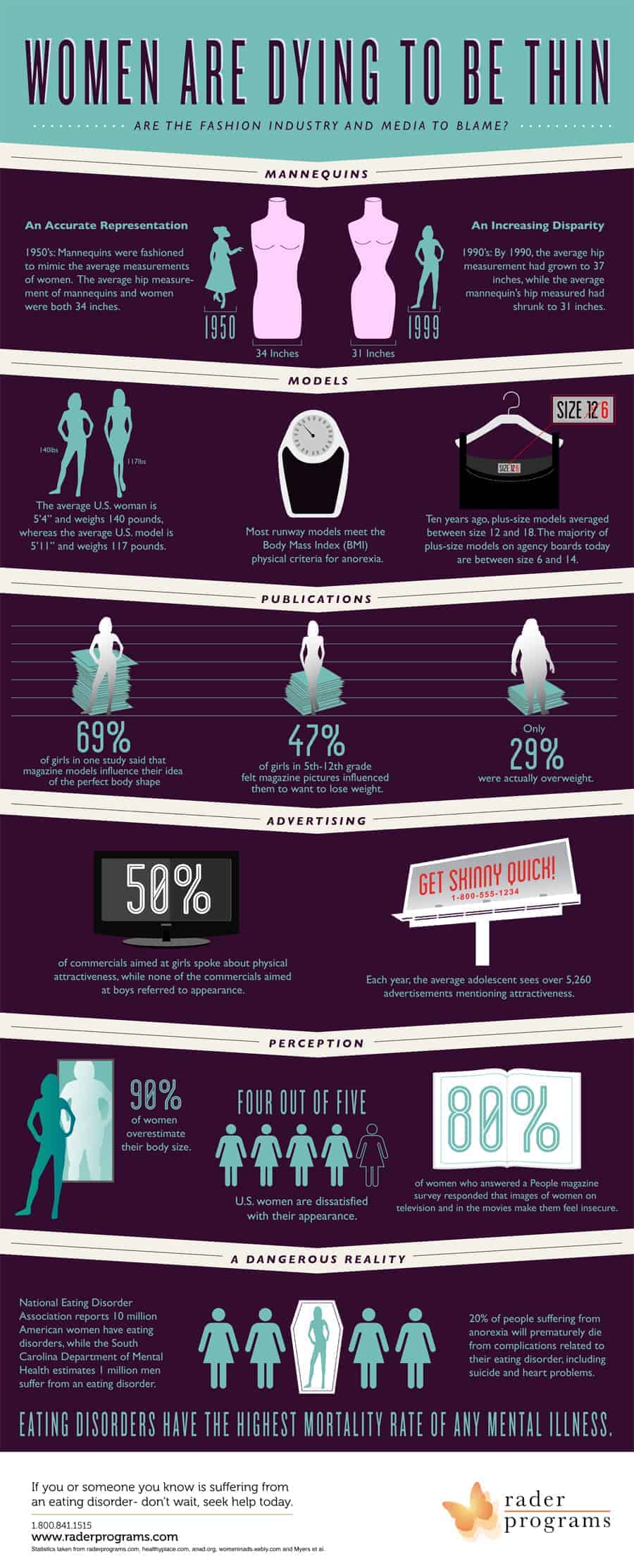
Check out this disturbing infographic.


Ladies we need to stop letting other people dictate how we feel about ourselves. If YOU feel like you want to incorporate more exercise into your life to create strong and healthy body, then do it. If YOU feel like you need to change they way you eat food to live your HIGHEST potential, then do it. If you want cosmetic surgery to change the outside, still understanding that what is within is the most beautiful part of yourself, then do it.

You know your body better than anyone else. You know what makes it feel alive and vibrant on the inside, no matter what it looks like on the outside. Don't base your wellness around how others define it. The only approval you need is your own.

Do you let outside pressures dictate how you feel about yourself? Share your thoughts below, I know we all can relate.

Living MY Best life in Granolaville, 


Wellness Wednesday: Have You Been Duped by Organic Food?


A new study coming out of Stanford University is about to confuse a lot of people who might have been on the fence about the benefits of buying organic foods.

Reported by Food Safety News the research suggests that, "Despite the widespread perception that organically produced foods are more nutritious than conventional alternatives, we did not find robust evidence to support this perception."

Considering the sales of organic food as jumped from 3.7 billion in 1997 to 26.7 billion in 2010, it seems that many people disagree.

I think most people believe that buying organic food is "healthier" than conventionally grown food, and they would be correct in that assumption. However, this study makes you reevaluate what the word healthy means.

In eyes of the scientists involved,HY health is ONLY tied to the nutritional value of the foods we eat. They argued that organically grown food does not have any more nutritional value (ie: vitamins & minerals) than non-organic. While this maybe true, nutrients aren't the only factors to consider when buying your fruits, vegetables and meats. If you are really concerned about the foods you feed your family, you would want to buy products that will contribute positively to their overall health.

The USDA categorizes a product as "organic" when at least 95% of the product was made using an organic process which they define as:
A production system that is managed in accordance with the Act and regulations in this part to respond to site-specific conditions by integrating cultural, biological, and mechanical practices that foster cycling of resources, promote ecological balance, and conserve biodiversity.
No where in that statement allows for the use of a treasure trove of chemicals, pesticides, antibiotics, herbicides, fungicides, or genetically modified organisms that are found in non-organic foods. While the USDA would never publicly admit that putting any of these, much less a combination of them, can have detrimental effects on the health of everyone who grows or eats them...most of us in Granolaville know better.

The Stanford scientists even admitted they've never done a long-term study concerning the health benefits of "people who eat primarily organic food versus those who eat primarily conventional."

So how can they really make the claim that organic food is not better for your health?

For me, it's a no-brainer to see why I would rather up my grocery budget than buy foods that have been manipulated or poisoned. And while the Internet is all a buzz about the news of this study I urge you to remember at the end of the day only WE are responsible for our health.

Check out this great infographic highlighting all the reasons why the production, cultivation, and consumption of organic foods are better for the health of everyone involved (except maybe those who make money off of mass-producing "Frankenfood").


A leader in the "real food movement and author of The Omivore's Dilemma,  Michael Pollen, urges:
"I would just encourage people to educate themselves and not take headlines at face value. It's a complicated question, and we need to a do a lot more science," he said. "The absence of proof means that we either haven't studied it or we haven't found it yet, it doesn't mean we won't. In the meantime, there's a precautionary principle: even though the case isn't closed on low levels of pesticides in our diet, there are very good reasons to minimize them."
 Does this study change your mind about the benefits of organic food?

Not Buying the Hype in Granolaville, 


Wellness Wednesday: 10 Ways Getting "Your Sexy Back" Improves Your Health


I'm a HUGE fan of Justin....Timberlake, that is. Before there was all this "Bieber Fever" I had "N'SANITY" for him and his merry band of clean-cut dancing boys. Granted, no one ever used that term, but I think it suits them well.

Now that N'SYNC fans are pushing their mid-thirties, it seems a little odd for anyone of us to be getting all hot n' bothered over some gyrating hips and sweet harmonies. As women, we've grown and realized we need something a little bit steamer than a kid who's face is a smooth as my toddlers ass.

I mean really, Justin Bieber looks like a sweet-faced lesbian.
Many women have been hard-pressed (or not hardly pressed enough, hehehe) to find time to get back their own sexual swag. (I'm trademarking that one too).

Ladies of the world today are hustling. Whether we are raising kids, running a multi-million dollar company, or working more jobs than a Jamaican, time is limited. I can bet most of us have a laundry list of things to do and I'll bet getting good action between the sheets, is NOT a top priority.

With all the hype around the literotica book Fifty Shades of Grey (which I loathe, but more on that in a minute) and the movie Magic Mike (which would've watched it WITHOUT the sound) I think A LOT of women have awoken some feelings that might have been dormant underneath piles of dirty dishes and diapers.

Good GOD I can't stare at this picture too long.
Channing Tatum half nekkid, showing off his dance moves is enough to get me hot and bothered. I mean really that man can do no wrong---he went from Step it Up to the romantic lead in The Vow, and now he's shaking his money maker as a moonlighting stripper. That's what I call talent!

Sorry, what were we talking about? Oh right getting YOUR sexy back.

Here's the thing ladies, sexual wellness is JUST as important as eating right, getting exercise, and 8 hours of sleep each night. You might not read that in any medical journal but this crunchy mama wouldn't lie to you.

Think about the euphoria that bursts from within when you've had a good...long, romp in the hay. Hell, even a "git 'er done" short session can hit the spot. Whether it's quantity or quality you are looking for, a healthy sex life is good for you---mind, body, and soul.

It's so great that women are open enough to talk about devouring erotic fiction like Fifty Shades....on Facebook nonetheless. I am all for you being inspired to get your freak on in the freakiest way that you and your partner consent to. But for the love of all that is holy---PLEASE read better literature than that train wreck of soft-core porn, where the only way a meek, self conscious young girl (who's actually 21) can get off is to be dominated by a narcissistic prick.

Come on ladies you deserve better! Once again, I digress.

Back to you. I want YOU to be as sexually fulfilled as I know every husband in America was the night their wife watched Matthew McConaughey's dripping abs flex all over that dance floor.

Mmm, mmm, mmmmmmm.
 In order to convince you of the importance of ample sexy time here are 9 Ways Getting Your Sexy Back Can Improve Your Health:


  1. SEX relieves stress and lowers your blood pressure. Who needs a yoga class, this stuff is free!
  2. It can help strengthen your immune system. The more you "get some" the more antibodies called immunoglobulin A your body makes which can ward off cold viruses and other infections
  3. Thirty minutes of sex can burn up to 85 calories. Say goodbye to the treadmill!
  4. Knockin boots improves your heart health. A study found that men who had sex more than twice a week were 50% less likely to have a heart attack. (You could save your man's life!)
  5. Great sex boosts your self esteem. I know when I've rocked my husband's world I feel pretty damn good about myself.
  6. Orgasms help create intimacy. As if the act of showing your man every dip and valley of your body wasn't revealing enough---climaxing releases the love hormone called oxytocin which stimulates bonding and trust.
  7. Sex reduces pain. No more using the old "I have a headache" excuse, oxytocin is also a natural pain reliever.
  8. Getting your groove on (sorry I'm running out of terms) also helps you sleep better. Just look at any man after sex, ever.
  9. Strong pelvic floor muscles. If you are over the age of 40 or you've had children you know that sometimes a hearty sneeze or laugh can send an uncomfortable amount of moisture to your pants. Tightening your pelvic floor with kegals during sex can help you avoid future wetness. No more pee-pee pants!!!!
So there you have it. All the reasons why you should put down your phone, turn off the computer and go jump someones bones. Your health depends on it!

On a scale of 1-10, 1 being the priority, where does sex fall for you?

Feeling Frisky in Granolaville, 


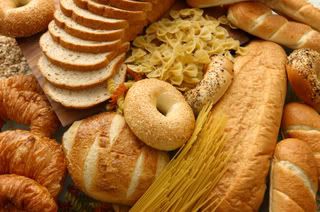
Taste it Tuesday: That Cake'll Kill Ya, 7 Reasons Grains Are No Good


Pumpkin donuts, butter cream cake, garlic bread, and steaming hot cinnamon rolls...if I was on death row, these are the foods I want as my last meal.

No I don't plan on kicking the bucket anytime soon (or getting arrested), but if I knew I was headed to the great beyond I'd want a buttery blueberry muffin for the road.

Grain based foods have become a staple for every special occasion in our country. Whether you are getting married, celebrating a birth, graduating, retiring from 30 years on the job, or its just Tuesday, there's ALWAYS a reason to have cake.

Can you imagine salad without bread sticks, or breakfast without toast? Years ago I nearly had a melt down when I wasn't served a steaming hot biscuit at Thanksgiving dinner. What the hell am I supposed to sop up my gravy with!?

That all changed when my sweet pea allergic son was born. From nearly the get-go this child had eczema and an allergy to dairy and soy. Now at age 6 he's developed an intolerance to gluten and refined wheat products.

What is the difference between whole wheat and refined wheat products, you ask? Bare with me I'm about to go all sciencey on ya.

A whole wheat product contains--you guessed it--the whole  3 part wheat kernel---endosperm, bran, and germ. Whereas refined wheat is only comprised of the starchy endosperm. This means that refined products like white flour and white bread are missing important nutritional components.

Because of this recent diagnosis I've really had to come to terms with the idea that the foods that I want to be smothered in are endangering the health of my son. The most shocking thing I've learned is that grains aren't really good for anyone. I know you might be thinking "How you can be against grains when your site is called Granolaville?!" Lemme splain....

1. They Block the Good Stuff
Grains contain Phytic Acid, a mineral blocker that prevents absorption of calcium, magnesium, iron, copper and zinc. Before we began mass producing them, fields of grain would have time to sprout which would break down some of the phytic acid and retain many nutrients. But today, crops are harvested quickly and eaten on such a large scale that we are negating the purpose of eating wheat in the first place.

2. Trust Your Gut
Both traditional and alternative medicine have begun to realize how the health of our intestines is critical to good overall health. Grains like wheat, barely, and rye contain gluten which is a sticky protein that can wreak havoc on your intestinal wall. Gluten and other nasty grain based proteins breakdown the microvilli in your small intestine. Microvilli are small finger-like hairs that are supposed to allow your body to absorb nutrients. If they have become damaged all the nutrient dense food you do eat won't be properly distributed into your system, causing weight loss and malnutrition. Grains are also connected to leaky gut syndrome. The intestinal walls become so damaged that bacteria, waste and other toxins may literally "leak" into the blood stream.

3. You May Have a Gluten Intolerance
It seems that this diagnosis is running rampant in this country. But there is a good reason for that. Researchers studying Celiac disease, which is an allergy that effects 1% of the population, have found that nearly 30% of all people of European decent have a gluten intolerance. Which means a whole lot of people are eating foods that are making them sick and they might not even know it. My son was one of these kids. He experienced loose bowl movements, bloating, stomach aches after every meal and slow weight gain. If you have any of these symptoms a simple blood test can determine if you are sensitive to gluten. Luckily there are now many delicious wheat and gluten free pastas, snacks and even chicken nuggets  for those picky kids like mine.

4. They Rot Your Teeth
The same phytic acid that prevents mineral absorption of calcium also uses up precious Vitamin D, which is imperative for bone growth. This can lead to dental decay, which was not found in our pre-agricultural ancestors or in cultures today that eat a fruit and vegetable based diet, with no dental care.

5. Grains Make You Want More Grains
Recall the smell of fresh baked bread, brownies, or cake. That warm sweet smell that envelopes your senses. Foods that are dense in carbohydrates can give you a quick energy boost, but will wear off just as rapidly leaving your body in a sugar induced slump. When those carbs break down into sugar, your insulin levels increase and then decrease leaving you craving more grains--- and so the cycle continues.

6. Eating Excess Grains Can Cause Infertility
A 2010 article from the NY Times discusses the link between Celiac and infertility in women.
Women with Celiac disease are reported to start having periods later and stop menstruating earlier than average. They also suffer more often from secondary amenorrhea, a condition in which menses start but then stop. Together, these menstrual disorders lead to fewer ovulations, which results in less of a chance to get pregnant. Hormonal factors and poor nutrition are thought to play a role in causing these problems.... For men, problems can include abnormal sperm – such as lower sperm numbers, altered shape, and reduced function. Men with untreated Celiac disease may also have lower testosterone levels. 
7. The Aren't Good For Your Joints
The inflammatory nature of processed grains can not only cause skin irritation manifesting as eczema or psoriasis, but can also cause pain in your joints and arthritis. The amino acids that make up the composition of a grain mirror that of the soft tissue in your joints. When immune cells become inflamed they begin to attack your joints soft tissue as if it were an invader, causing serious damage.

So now what do you do? The key is moderation for most people. If you do eat grains stick to whole grains with minimal processing. You can also try alternatives like rice, corn, buckwheat, or millet, which contain no gluten.

BUT if you do notice any of the above issues try removing them from your diet, one meal at a time, for a few weeks. Sure breakfast might not taste the same without your trusty piece of toast, but your body will thank you for it in the end.

My son's gluten intolerance has actually made it A LOT easier for the whole family to jump on board. I try to minimize the amount of refined wheat the rest of us eat, with a few splurges, like garlic bread (YUM), here and there.

Could you live without grains? Let me know in the comments section below!

Dreaming of Cake in Granolaville,


Resources: 
http://nourishedkitchen.com/against-the-grain-10-reasons-to-give-up-grains/
http://www.livestrong.com/article/533753-gluten-joint-damage/ 
http://www.marksdailyapple.com/why-grains-are-unhealthy/
http://wellnessmama.com/575/how-grains-are-killing-you-slowly/